
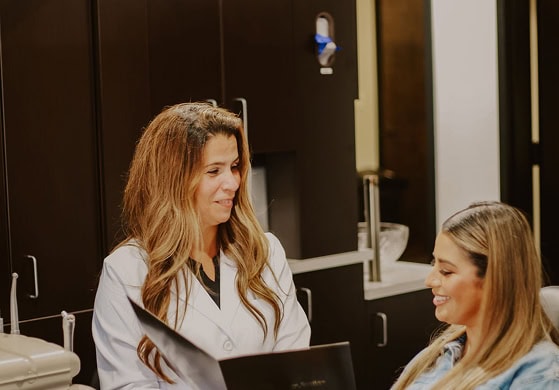
What Is an Orthodontic Consultation and Why Does It Matter?
If you've been wondering what to expect when visiting an orthodontist, here's the short version: it's a relaxed, pressure-free evaluation of your teeth, jaw, and bite alignment. Unlike a routine dental checkup focused on cavities and gum health, this visit specifically examines how your teeth fit together and whether alignment issues might be affecting how relaxed and confident you feel about your smile.
At Sunshine Smiles dental & braces, most ortho consults are complimentary and come with zero obligation to start treatment. Think of it as an information-gathering session where you learn about your options without anyone pushing you toward a decision.
So what makes an orthodontist different from your general dentist? After completing dental school, orthodontists go on to complete two to three years of specialized residency training. This focused education covers tooth movement, facial development, and bite correction techniques that general dentists don't receive. According to the American Association of Orthodontists, this specialized training allows orthodontists to diagnose and treat complex alignment issues that require expert care.
What to Expect When Visiting an Orthodontist: A Step-by-Step Guide
When visiting an orthodontist, expect five key steps: paperwork, digital imaging, a hands-on exam, a diagnosis discussion, and a cost review. The full visit typically takes 60 to 90 minutes, and you'll leave with a clear picture of where your smile stands and what it would take to improve it.
Here's how it typically unfolds:
Fill out your new patient forms. Before you arrive, you'll complete paperwork covering your health history and any previous treatments. Orthodontic offices like Sunshine Smiles dental & braces let you handle these online ahead of time, saving you time in the waiting room.
Next up: digital imaging. The team will take X-rays and digital images of your teeth and jaw. Advanced offices use tools like iCAT 3D scanning to create detailed views of your bone structure and tooth roots, giving your orthodontist the full story before making any recommendations.
Then comes the exam itself. Your orthodontist will evaluate your bite, spacing, and alignment, checking how your upper and lower teeth come together and looking for crowding, gaps, or jaw alignment concerns.
After that, you'll talk through the diagnosis. No jargon, no confusing charts. If treatment would benefit you, your orthodontist walks through your options and recommends what they think would work best. You'll have time to ask questions, and a good orthodontist will make sure you actually understand the answers.
Finally, you'll review the timeline and costs. The team covers estimated treatment duration, insurance, and payment options so you can make an informed decision without guesswork.
Most first visits wrap up within 60 to 90 minutes. You'll leave knowing exactly where things stand.
Benefits of Choosing a Dedicated Orthodontist
Picking the right orthodontist and sticking with them offers real advantages that make your treatment experience smoother and more personal.
Continuity of Care Makes a Real Difference
When you see the same faces at every visit, you build trust and relaxed familiarity. Your orthodontist gets to know your smile inside and out, and nothing falls through the cracks between your first consult and your final retainer fitting. That kind of consistency matters when treatment stretches over months (or sometimes years).
At Sunshine Smiles dental & braces, flexible hours include after-school and early morning times that work for busy families. You're not just a number on a screen.
How Does Proximity Improve Your Treatment Experience?
Orthodontic treatment requires visits every four to eight weeks. Having your provider nearby makes fitting these into your schedule much easier, especially if you're juggling work, school, or kids' activities.
A quick fix is also just a short trip away if a bracket comes loose or a wire pokes your cheek on a random Tuesday. Getting in quickly for a repair rather than dealing with discomfort for days makes a real difference in how the whole treatment experience feels. That kind of access is something worth considering when you're choosing where to go.
Braces vs. Clear Aligners: Comparing Your Treatment Options
Your orthodontist will recommend the best approach for your specific case, but understanding your options helps you feel confident in the decision.
| Feature | Traditional Metal Braces | Ceramic Braces | Clear Aligners |
|---|---|---|---|
| Visibility | Most noticeable | Less visible (tooth-colored) | Nearly invisible |
| Typical Duration | 18 to 24 months | 18 to 24 months | 12 to 18 months |
| Removability | Fixed in place | Fixed in place | Removable for eating and brushing |
| Maintenance | Requires careful brushing around brackets | Same as metal braces | Remove to clean normally |
| Best For | Complex cases, all ages | Those wanting a less visible fixed option | Mild to moderate cases, disciplined wearers |
Metal braces remain the go-to for complex alignment issues. They're reliable, effective, and way more relaxed than they used to be.
Ceramic braces work the same way but blend in better with your teeth. Because why not be fancy?
Clear aligners offer the most discreet option. You wear custom-made trays for most of the day, remove them for meals and brushing, and swap to a new set every few weeks as your smile improves. No metal, no surprises.
Your orthodontist will factor in your bite complexity, lifestyle, and personal preferences when making their recommendation.
How Much Does an Orthodontist Visit Cost?
Orthodontic treatment typically costs several thousand dollars, with most cases falling between $3,000 and $7,000 depending on the type of treatment, case complexity, duration, and insurance coverage. The initial consult is often complimentary at many orthodontic offices, so you can get answers before committing to anything financially. Most practices offer payment plans, and FSA/HSA accounts can also be used.
Here's what affects the total:
- Treatment type: Clear aligners and ceramic braces sometimes cost more than traditional metal braces
- Case complexity: More severe alignment issues mean longer treatment and more visits
- How long you're in treatment: More time means more adjustments
- Your insurance plan: Many dental plans include orthodontic benefits that can knock a real chunk off your out-of-pocket costs
Most orthodontic offices offer payment plans to spread costs over the treatment period. FSA and HSA accounts give you additional ways to make it work for your budget.
During your consult, you'll receive a detailed cost breakdown specific to your recommended treatment plan. No surprises down the road.
Who Should Visit an Orthodontist? Signs You May Need Treatment
Anyone with crowding, gaps, bite issues, or jaw discomfort should visit an orthodontist. The American Association of Orthodontists recommends children have their first evaluation by age seven. At that age, an orthodontist, with two to three years of specialized residency training beyond dental school, can spot developing issues and determine if early intervention would help.
Smile care isn't just for kids, though. Plenty of adults are choosing to straighten their teeth later in life, and treatment works well at any age.
Signs that suggest an ortho consult might help:
- Crowded or overlapping teeth that are tough to keep clean
- Noticeable gaps between teeth
- An overbite, where upper teeth extend too far over lower teeth, or an underbite, where lower teeth sit in front of upper teeth
- Crossbite (some upper teeth sit inside lower teeth when biting)
- Jaw discomfort or clicking
- Difficulty chewing or biting
- Teeth that just don't meet properly when you close your mouth
You don't need a referral from your general dentist to schedule a consult. While dentists often spot alignment issues and suggest seeing an orthodontist, you can book directly whenever you're ready.
Frequently Asked Questions About Orthodontist Visits
Do I need a referral to see an orthodontist?
Nope. Call any orthodontic office directly to schedule your consult.
How long does the first visit take?
Plan for 60 to 90 minutes. This gives the team enough time for imaging, a thorough exam, and a detailed discussion of your options. Some visits wrap up faster if the case is straightforward, but it's better to block the full window.
What should I bring to my first visit?
Bring your insurance card, a photo ID, and any completed forms. If you have recent dental X-rays or records from another provider, bring those along too. They can provide helpful background and sometimes save you from needing duplicate imaging. A list of questions you want answered is also worth bringing, since it's easy to forget things once you're in the chair.
Does the consult cost anything?
Many orthodontic offices, including Sunshine Smiles dental & braces, offer free initial consults. This lets you learn about your options without any financial commitment upfront. Call ahead to confirm, since policies vary from one location to the next.
How often will I need follow-up visits?
During active treatment, you'll typically come in every four to eight weeks for adjustments and progress checks. These visits are usually much shorter than your initial consult, often around 20 to 30 minutes.
Can I get braces or aligners the same day as my consult?
Treatment typically starts at a separate visit. Your orthodontist needs time to create a treatment plan built around your specific case, and if you choose aligners, custom trays need to be fabricated. The consult is about gathering information and making decisions together, not rushing into anything.
