
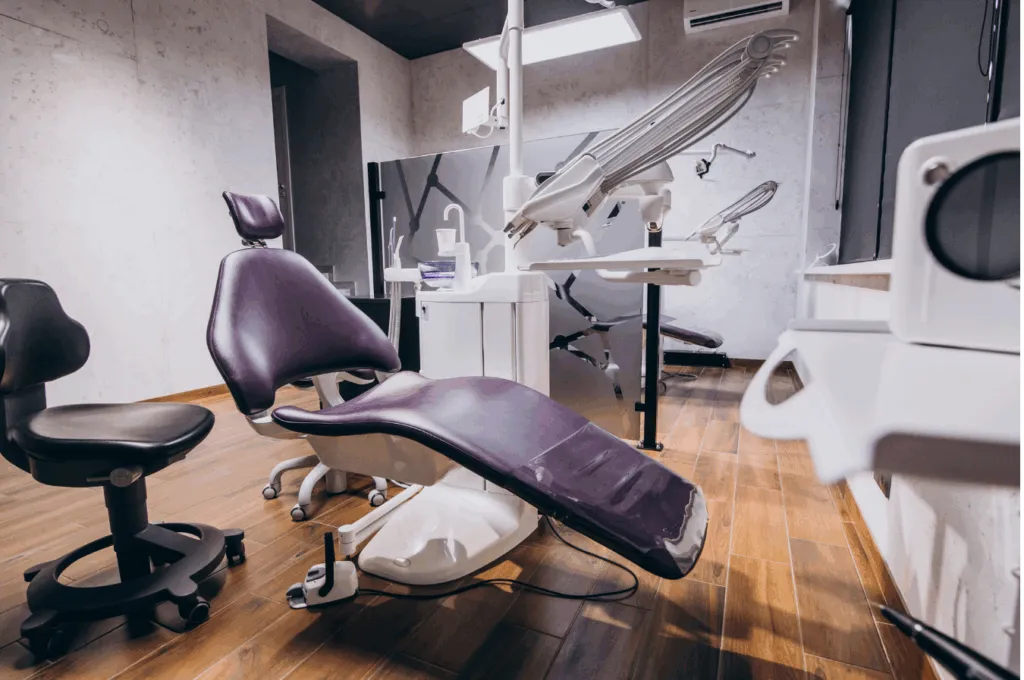
Most people know professional dental cleanings are essential, but few understand exactly what makes them so effective. Beyond leaving teeth feeling smooth and polished, cleanings are a science-driven procedure that removes harmful bacteria, prevents gum disease, and protects overall health. Here’s a closer look at what really happens during a professional cleaning and why it matters for more than just your smile.
Why Daily Brushing and Flossing Aren’t Enough
Brushing twice a day and flossing daily form the foundation of good oral hygiene, but they can’t remove everything. Over time, plaque—a sticky film of bacteria—hardens into tartar. Once tartar develops, it bonds firmly to tooth surfaces and can only be removed with professional tools. Left untreated, tartar irritates gums, contributes to cavities, and increases the risk of gum disease.
This is where the science of professional cleanings comes in. Specialized instruments and trained techniques allow dental hygienists to target buildup that at-home care simply can’t reach.
The Step-by-Step Science of a Dental Cleaning
A professional cleaning is much more than a quick polish. Here’s a breakdown of what happens during the process:
1) Oral Examination
Before the cleaning begins, a hygienist or dentist checks your mouth for signs of gum inflammation, cavities, or other concerns. This quick assessment ensures the cleaning is tailored to your needs.
2) Scaling
Scaling is the process of removing plaque and tartar from tooth surfaces and along the gumline. Hygienists use either hand instruments (scalers and curettes) or ultrasonic devices that vibrate at high frequencies to break apart deposits. Ultrasonic scalers also create tiny water streams that flush out bacteria and debris.
3) Root Planing (If Needed)
In cases of early gum disease, root planing may be performed. This involves smoothing the root surfaces to prevent bacteria from reattaching. It’s a critical step in treating and managing periodontal disease.
4) Polishing
Once plaque and tartar are removed, teeth are polished with a gritty paste and a rotating brush. This not only removes surface stains but also smooths enamel, making it harder for bacteria to cling.
5) Flossing and Rinse
The hygienist flosses between each tooth to clear out remaining debris and then provides a rinse to wash away particles. This step ensures the entire mouth feels fresh and clean.
6) Fluoride or Preventive Treatments
Some patients receive fluoride treatments or sealants after a cleaning. Fluoride strengthens enamel and makes teeth more resistant to decay, while sealants protect vulnerable grooves in back teeth.
The Role of Cleanings in Gum Health
One of the most important benefits of professional cleanings is gum disease prevention. When tartar builds up, it irritates gum tissue, leading to inflammation. Early gum disease, known as gingivitis, causes redness, swelling, and bleeding. Without treatment, it can progress to periodontitis, where gums pull away from teeth and bone loss occurs.
By removing tartar and bacteria below the gumline, professional cleanings interrupt this disease process. Research has shown that controlling gum inflammation through regular cleanings also reduces the risk of tooth loss later in life.
The Connection Between Dental Cleanings and Overall Health
Science continues to reveal strong links between oral health and systemic health. Bacteria from gum infections can enter the bloodstream, contributing to inflammation in other areas of the body. Studies suggest that untreated gum disease may be linked to heart disease, diabetes, respiratory infections, and even complications during pregnancy.
Regular dental cleanings lower bacterial load in the mouth, reducing systemic inflammation and supporting overall health. What happens in the dentist’s chair truly has far-reaching effects.
How Often Should You Have a Professional Cleaning?
For most people, cleanings every six months are recommended. However, some individuals may need more frequent visits. Patients with gum disease, orthodontic appliances, or certain medical conditions may benefit from cleanings every three to four months. Your dentist will recommend a schedule based on your risk factors and oral health status.
What Professional Cleanings Don’t Do
While professional cleanings are powerful preventive tools, they aren’t a cure-all. They don’t repair cavities, whiten teeth dramatically, or reverse advanced gum disease on their own. Instead, they form the foundation of oral health, keeping problems from progressing and ensuring other treatments are more effective.
Frequently Asked Questions About Dental Cleanings
Do cleanings hurt?
Most cleanings are comfortable. Patients with sensitive gums may feel slight pressure or tenderness, but discomfort is temporary.
Can I skip cleanings if I brush and floss well?
No. Even excellent home care can’t remove tartar once it forms. Professional cleanings are the only way to eliminate it.
Are ultrasonic tools safe?
Yes. Ultrasonic scalers use sound waves and water spray to remove deposits safely and effectively.
Will cleanings whiten my teeth?
Cleanings can remove surface stains from coffee, tea, or tobacco, but for dramatic whitening results, professional whitening treatments are needed.
Can kids benefit from professional cleanings?
Absolutely. Children are prone to cavities, and regular cleanings help protect developing teeth and reinforce healthy habits early.
Conclusion: The Science of a Healthy Smile
Professional dental cleanings go far beyond a polished appearance. Backed by science, they remove harmful bacteria, prevent gum disease, and support whole-body health. They’re one of the most effective ways to protect your teeth and gums for the long run.
If it’s time for your next cleaning, Sunshine Smiles Dental & Braces in Broken Arrow is here to help. Our team provides thorough, comfortable, and affordable cleanings to keep your smile—and your health—on track. Schedule your appointment today.
