
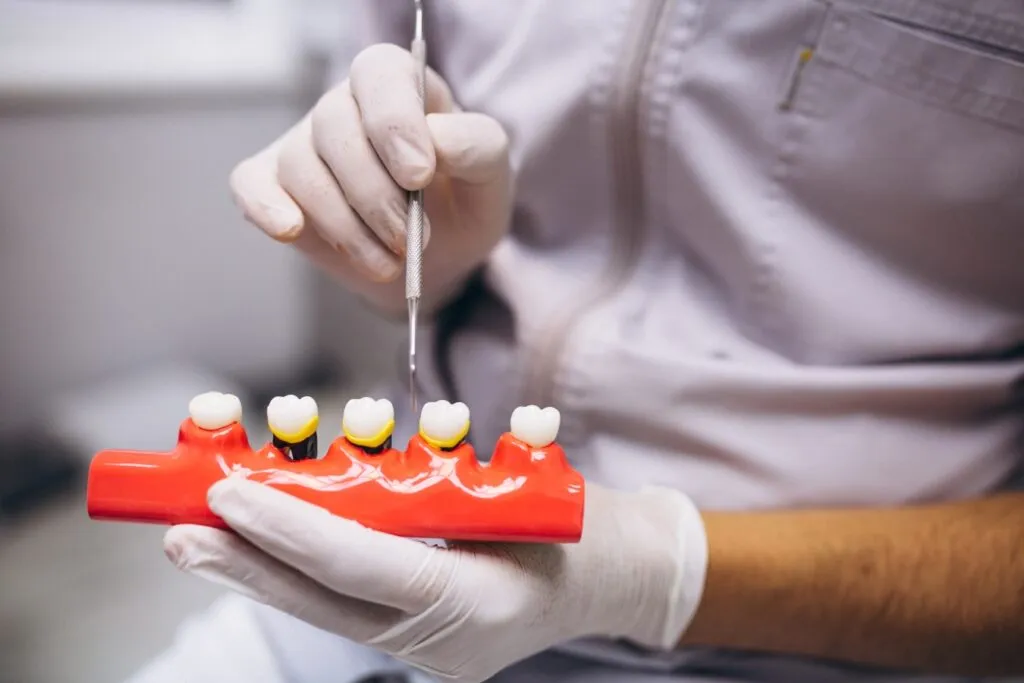
What Is a Dental Crown and Why Might You Need One?
A dental crown is a custom-fitted cap that covers a damaged tooth to restore its shape, size, strength, and appearance. Think of it as a protective helmet for your tooth, one that's designed to look and feel natural while doing heavy lifting behind the scenes. When a filling just won't cut it anymore, or when a tooth has been weakened to the point where it could break, a crown steps in to hold everything together. Our team at Sunshine Smiles Dental & Braces in Broken Arrow, OK offers several crown material options tailored to your specific needs and goals. Common reasons you might need a crown include extensive decay too large for a filling, cracks or fractures that weaken the tooth's structure, protection after a root canal, large old fillings that have compromised the remaining tooth, and cosmetic concerns like severely discolored or misshapen teeth. When it comes to materials, you've got options. Porcelain and ceramic crowns blend beautifully with your natural teeth. Zirconia offers exceptional strength and durability. Metal crowns (gold or alloy) handle back teeth where chewing forces are strongest. Porcelain-fused-to-metal combines strength with a natural appearance.
How the Dental Crown Process Works in Broken Arrow: Step by Step
Getting a dental crown typically takes two visits spread over two to three weeks. Our team at Sunshine Smiles Dental & Braces walks you through each step so nothing feels like a mystery. Here's what to expect at each stage:
Step 1: Exam and Treatment Planning
Your visit starts with a thorough exam and X-rays. The team evaluates the tooth's condition, checks the surrounding bone and gum tissue, and discusses your options. This is when we figure out which crown material makes the most sense for your situation. You'll have plenty of time to ask questions.
Step 2: Tooth Preparation
Once you're relaxed (local anesthesia keeps everything smooth), the tooth is reshaped to make room for the crown. Any decay gets removed, and we build up the tooth if needed. Detailed impressions follow, whether digital scans or traditional molds, and those go to the dental lab. The whole thing is quicker than most people expect.
Step 3: Temporary Crown Placement
While the lab fabricates your permanent crown, you'll wear a temporary one. It protects your prepared tooth and keeps everything looking normal. Just be gentle with it: no sticky foods or aggressive flossing around that area.
Step 4: Final Crown Fitting
When your permanent crown arrives, we remove the temporary, check the fit and color, make any necessary adjustments, and cement it into place. You'll leave with a fully restored tooth that feels natural and functions like it should. The whole process is straightforward. Most people are surprised by how relaxed it is from start to finish.
Key Benefits of Dental Crowns for Your Smile and Oral Health
Dental crowns restore full chewing strength, shield weakened teeth from further damage, and deliver natural-looking results that typically last 10 to 15 years or longer. For patients in Broken Arrow, OK and surrounding areas, crowns remain one of the most trusted and reliable restorative treatments available. Here's what they bring to the table:
- Full chewing strength restored. Eat your favorite foods without worry.
- Protection for weakened teeth, stopping cracks from spreading and preventing further damage
- Natural-looking results thanks to modern materials that match your surrounding teeth beautifully
- Long-lasting durability. Quality crowns can last 10 to 15 years or longer with proper care. Some patients keep theirs for 20+ years.
- Better bite alignment, because a properly fitted crown supports adjacent teeth and maintains your natural bite
How Do Crowns Protect Weakened Teeth?
A cracked or heavily decayed tooth is vulnerable. Every time you bite down, those forces push against the weak spots. Without reinforcement, the tooth can fracture further or even split. A crown wraps around the entire visible portion of the tooth, holding it together and distributing chewing pressure evenly. This protection is especially important after a root canal, when the tooth has lost some of its internal structure and becomes more brittle over time. The American Dental Association notes that well-placed crowns are among the most reliable restorative options available. That kind of track record is why crowns remain a go-to treatment in modern smile care.
What Makes Modern Crowns Look So Natural?
Today's porcelain and ceramic materials are a far cry from the metal-flash crowns of decades past. Your dental team can color-match, adjust the translucency, and shape the crown so it blends right in with your other teeth. Most people won't be able to tell which tooth has a crown and which doesn't. Beyond the functional benefits, there's the confidence factor. When a damaged tooth has been bothering you, whether it's sensitivity, appearance, or fear of it breaking further, a crown puts those worries to rest.
Dental Crowns vs. Other Restorative Options: Which Is Right for You?
Not sure if a crown is your best option? Here's how it compares to other common treatments:
| Treatment | Best For | Coverage | Longevity |
|---|---|---|---|
| Dental Crown | Extensive damage, post-root canal, large decay | Full tooth coverage | 10-15+ years |
| Filling | Small to moderate cavities | Partial coverage | 5-10 years |
| Veneer | Cosmetic front-tooth concerns | Front surface only | 10-15 years |
| Bridge | Replacing one or more missing teeth | Multiple teeth | 10-15 years |
| Implant | Replacing a missing tooth entirely | Full replacement | 20+ years |
Crowns vs. Fillings: When decay is too extensive for a filling to hold, a crown provides the structural support your tooth needs. Crowns vs. Veneers: Veneers are thin shells covering only the front surface, ideal for cosmetic improvements. Crowns wrap around the entire tooth, making them the better choice when strength matters most. Crowns vs. Implants: Implants replace teeth that are already gone. Crowns restore teeth that are still there. Sometimes they work together: an implant-supported crown replaces a missing tooth completely.
What Affects the Cost of a Dental Crown?
The cost of a dental crown depends on the material chosen, tooth location, any additional treatments needed, and your insurance coverage. Crowns typically range from mid-range to premium pricing per tooth. Material choice plays a big role. Porcelain and ceramic crowns typically fall in the mid-range, while zirconia crowns, known for their exceptional strength, may cost a bit more. Metal crowns vary depending on the alloy used. Tooth location and complexity matter too. A molar that needs significant buildup before crowning requires more time and skill than a straightforward front-tooth crown. If you need a root canal or core buildup first, those are separate costs from the crown itself. Insurance coverage varies widely. Many plans cover crowns partially, especially when they're medically necessary. Our team at Sunshine Smiles Dental & Braces in Broken Arrow, OK can help you understand your benefits and maximize your coverage. We also offer payment options so cost doesn't stand between you and a healthy smile. Modern care made accessible is something we take seriously. A dental exam provides the most accurate cost estimate for your situation. We'll give you clear numbers with no surprises.
Are You a Good Candidate for a Dental Crown?
Wondering if a crown is right for you? Here are the typical qualifications:
- Significant tooth damage, whether from decay, fractures, or cracks that compromise the tooth's integrity
- Post-root canal protection. Teeth that have had root canal therapy often need crowns.
- Sufficient tooth structure so the original tooth can support the crown
- Healthy gums. Active gum disease may need treatment first, before crown placement can move forward.
- Commitment to oral hygiene, because crowns last longest when you brush, floss, and keep up with regular visits
A dental exam is the only way to know for certain. Dr. Priscila Jelsing, DDS, and our team at Sunshine Smiles Dental & Braces will evaluate your specific situation and recommend the best path forward. Sometimes a crown is the clear answer. Other times, a different approach makes more sense. We take the time to explain your options so you can make an informed decision. No pressure, just honest guidance.
Frequently Asked Questions About Dental Crowns in Broken Arrow, OK
How Long Does a Dental Crown Last?
With proper care, a quality dental crown can last 10 to 15 years or longer. Some people keep their crowns for 20+ years. Longevity depends on the material, your bite forces, and how well you maintain your oral hygiene.
Does Getting a Dental Crown Hurt?
Most people experience little to no discomfort. Local anesthesia keeps you relaxed during tooth preparation, and any mild sensitivity afterward typically fades within a few days. Over-the-counter relievers handle it easily.
Can a Dental Crown Fall Off?
It's rare, but a crown can come loose. If that happens, save it and contact our Broken Arrow office right away. Don't try to glue it back yourself. We can often recement it if the crown and tooth are still in good shape.
How Do I Care for My Dental Crown?
Treat it like a natural tooth. Brush twice daily, floss around the crown carefully, and keep up with regular visits. Avoid chewing ice, hard candy, or using your teeth as tools. These habits help your crown last as long as possible.
Does Insurance Cover Dental Crowns?
Many insurance plans cover crowns partially when they're deemed medically necessary. Coverage amounts and percentages vary by plan. Our team can help you sort through your benefits and find financing options if needed. We don't want cost to be the thing that holds you back from getting the care you need.
